
Fall is one of the trickiest seasons for water damage restoration, and not just because of rain. As temperatures drop across Chicago, Joliet, Cicero, Homewood, Blue Island, and surrounding areas, a series of conditions quietly set the stage for water intrusion that often goes undetected until real harm is done. The good news is that a little awareness this September can save you from a much bigger headache come winter.
Why Fall Creates the Perfect Storm for Water Damage
Most people associate water damage with summer storms or spring flooding. Fall tends to fly under the radar, but it brings its own set of risk factors that stack up fast.
Leaves are a major culprit. When gutters clog with fallen leaves, rainwater has nowhere to go except back toward your roofline and foundation. That slow, persistent overflow can saturate your fascia boards, seep behind siding, and eventually find its way into walls or your basement. By the time you notice a stain on the ceiling or a musty smell in the crawl space, the damage has been building for weeks.
Roof vulnerabilities also tend to reveal themselves in fall. Shingles loosened by summer heat and UV exposure are more likely to lift or crack when wind and rain pick up in September and October. Even a small gap in your roof membrane is enough to let moisture in, and attic insulation soaks it up like a sponge, hiding the problem entirely.
Then there is the temperature swing. Fluctuating temps cause building materials to expand and contract, which can open up small cracks in masonry, window seals, and foundation walls. Water finds those gaps. In older homes and commercial properties throughout neighborhoods like Cicero and Homewood, this is especially common.
The “Hidden” Part Is What Makes It So Costly
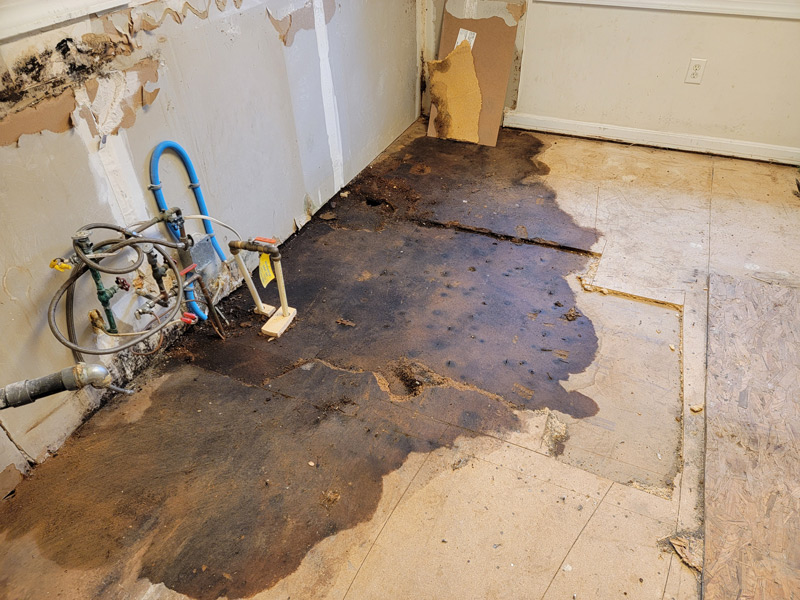
Hidden water damage is more common than most property owners realize. Because fall moisture intrusion tends to happen gradually, rather than all at once like a burst pipe or a flood, it rarely triggers an immediate response. Instead, it sits inside wall cavities and subflooring, feeding mold growth and weakening structural materials over weeks or months.
By the time the damage becomes visible, you are often looking at not just water remediation but also mold remediation, drywall replacement, and in some cases, structural repairs. For commercial properties, property managers in Chicago and Blue Island, and condominium associations throughout Cook and surrounding counties, that kind of deferred damage can translate to significant costs and liability.
Insurance claims tied to gradual water intrusion can also be more complicated than sudden-event claims. Documenting the source and timeline early matters. That is one reason our team works directly with insurance companies on billing, making the process less stressful for property owners and managers when something does go wrong.
What to Check Before the Season Gets Away From You
This fall, before the leaves are fully down and the first freeze arrives, it is worth walking through a few basic checks on your property.
- Gutters and downspouts: Clear them out and make sure downspouts are directing water at least a few feet away from the foundation.
- Roof and flashing: Look for missing or curling shingles, and check the flashing around chimneys, vents, and skylights where water tends to pool.
- Window and door seals: Feel for drafts and check the caulking. Failing seals let water in just as readily as air.
- Basement walls and floors: Look for efflorescence (the white chalky residue that signals moisture moving through masonry) or any new cracks.
- Attic: A quick look for water staining on rafters or insulation that appears compressed or discolored can catch a roof leak early.
These are not complicated inspections, but they are easy to put off. Catching a small issue in September is far simpler than dealing with the aftermath in January.
When You Need More Than a Checklist
If you discover water intrusion, mold, or structural damage, or if you are dealing with the aftermath of a storm, that is where we come in. We are licensed and available 24 hours a day, seven days a week, and we can have a crew on-site within one hour of your call. We serve residential and commercial clients throughout Chicago, Joliet, Cicero, Homewood, Blue Island, and surrounding areas across Cook, DuPage, Lake, and the other counties throughout our region.
Our City of Chicago Board Up and Home Repair License and General Contractor License mean we can handle everything from emergency board-up and water extraction to the full restoration and repair that follows. We also have Spanish-speaking staff on our team, so language is never a barrier when you need help fast.
Fall moves quickly. If something on your property is giving you pause, please give us a call or drop us an email and we will be glad to help you figure out next steps.
