
Fire damage restoration is often used as a catch-all phrase, but it actually describes something much more involved than simply cleaning up after a fire. If you’ve recently dealt with a fire at your home or commercial property in Chicago, Joliet, Cicero, Dolton, South Holland, or anywhere in the surrounding areas, you may have heard both “restoration” and “cleanup” used interchangeably. They’re not the same thing, and knowing the difference can help you ask the right questions and set realistic expectations for your recovery.
What Fire Damage Cleanup Actually Covers
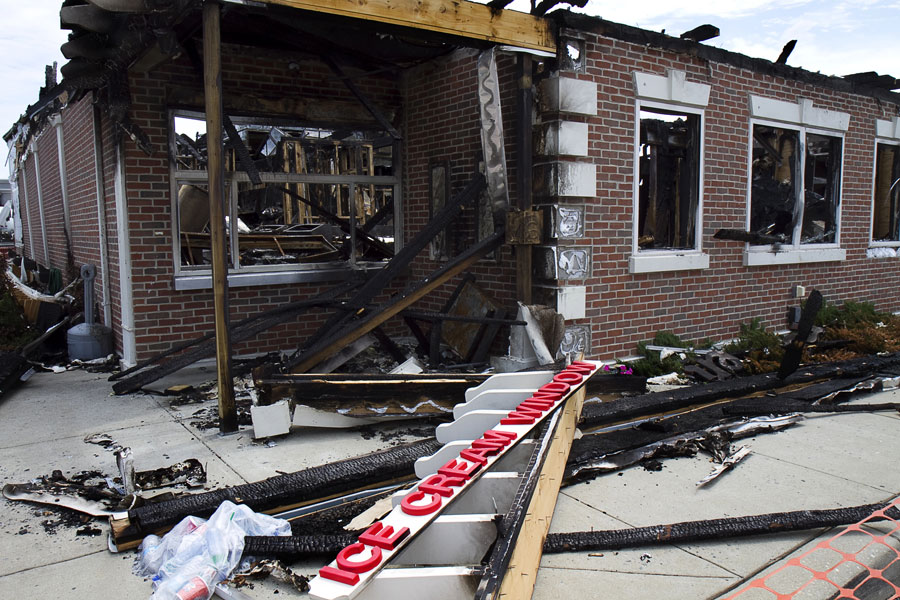
Cleanup is the first phase of recovery, and it’s more immediate and physical in nature. After a fire is extinguished, you’re left with charred debris, standing water from firefighting efforts, broken glass, structural instability, and thick smoke residue coating nearly every surface. Cleanup addresses what’s visible and what poses an immediate safety risk.
This is where board-up services come in. Securing open windows, damaged doors, and compromised walls is often the very first step, especially for properties in Chicago and surrounding communities where an unsecured structure can attract additional damage or unauthorized entry overnight. At Citywide Disaster, we’re on-site within one hour of your call, around the clock, because that first hour matters more than most people realize.
Cleanup also includes debris removal, water extraction (fire hoses leave behind a significant amount of water), and initial smoke and soot removal from surfaces. Think of it as stabilizing the patient before treatment begins.
What Fire Damage Restoration Actually Involves
Restoration is the longer, more detailed process of bringing a property back to its pre-loss condition. This goes well beyond hauling out damaged materials. It includes structural repairs, rebuilding compromised framing or walls, replacing flooring, repainting, and addressing the hidden effects of smoke and heat that cleanup alone cannot fix.
Smoke is particularly deceptive. It travels into wall cavities, HVAC systems, and insulation, leaving odor and residue in places you’d never think to look. Without proper restoration, those smells and contaminants can linger for months or return seasonally. We’ve seen this play out in homes and commercial buildings across Cicero, South Holland, and Dolton, where a property that looked “cleaned up” still had serious air quality issues because the deeper restoration work hadn’t been completed.
Restoration also often involves working directly with your insurance company. We handle direct insurance billing, which takes a significant burden off property owners and managers during an already stressful period. Our team is licensed under the City of Chicago Board Up and Home Repair License as well as a General Contractor License, so we’re equipped to handle the full scope of work from first response through final repairs.
Why the Distinction Matters for Your Recovery
Here’s where the comparison becomes practically important. Some contractors handle cleanup but stop there, leaving you to coordinate with a separate company for the rebuilding phase. That handoff can cost you time, create communication gaps with your insurer, and leave your property exposed to secondary damage like mold growth from unaddressed moisture.
Working with a team that handles both phases under one roof simplifies the process considerably. For property management companies, condominium associations, and business owners in Joliet and the broader Chicago metro area, that continuity matters. You’re not re-explaining the situation to a new crew or waiting for a second contractor to get up to speed.
Homeowners benefit from this too, particularly in neighborhoods across South Holland and Dolton where fire damage can affect not just the primary structure but attached garages, fencing, and shared walls in multi-unit buildings. Our Spanish-speaking staff is also available for clients who prefer to communicate in Spanish, because clear communication throughout the restoration process is genuinely important.
Starting the Process the Right Way
If you’ve experienced fire damage, the sequence matters. Secure the property first, document everything for your insurance claim, and get a full assessment from a licensed contractor who can evaluate both the cleanup needs and the full restoration scope. Trying to cut costs by addressing only part of the damage often leads to larger expenses down the road.
We’ve worked with homeowners, realtors, insurers, and commercial clients across Chicago, Joliet, Cicero, Dolton, South Holland, and surrounding areas for years, and the properties that recover best are the ones where the full process, cleanup through restoration, is treated as a single coordinated effort rather than two separate problems.
If you have questions about fire damage restoration or want to talk through what your specific situation might involve, please give us a call or drop us an email. We’re available 24 hours a day, seven days a week, and we’re always happy to help you figure out the right next step.
